Paint Pathfinders: India’s Beloved Puzzle-Adventure Sensation
Overview
Since its launch on 15 August 2022—India’s Independence Day—Paint Pathfinders has emerged as a trailblazer in the desi gaming landscape, blending traditional Indian culture with engaging puzzle-adventure mechanics. Developed by Bengaluru-based Desi Indie Studios and published by Daman Games, this mobile-first title has captured the hearts of millions of players across India and beyond, thanks to its vibrant visuals, relatable themes, and innovative gameplay that pays homage to the country’s rich artistic heritage.
At its core, Paint Pathfinders revolves around a simple yet addictive concept: players must paint paths using a variety of coloured inks to guide their characters through intricately designed levels inspired by India’s most iconic landscapes—from the gilded forts of Rajasthan to the bustling gullies of Mumbai, and the serene backwaters of Kerala. What sets the game apart, however, is its deep integration of Indian culture, with every element—from character backstories to level obstacles—rooted in desi traditions, festivals, and art forms.
Designed for players of all ages, Paint Pathfinders strikes a perfect balance between accessibility and challenge. Casual gamers can enjoy the vibrant visuals and relaxed pacing, while hardcore puzzle enthusiasts will appreciate the strategic depth of later levels, which require careful planning and quick thinking. The game’s success is a testament to the growing demand for authentic Indian gaming experiences—proving that desi themes, when executed with creativity and technical finesse, can resonate on a global scale.
Draws inspiration from rangoli, madhubani, and warli art forms, with levels tied to Indian festivals.
Paint paths to overcome obstacles, using colour-specific abilities to navigate diverse landscapes.
Play as desi heroes with unique backstories, each hailing from a different region of India.
Explore 5 worlds inspired by North, South, East, West, and Central India’s most famous sites.
Available on Android, iOS, and PC, with seamless sync across devices for on-the-go gaming.
Join weekly challenges, fan art contests, and regional tournaments organized by Daman Games.
Development History
The Birth of a Desi Dream
The story of Paint Pathfinders begins in 2019, when a group of five young developers—all alumni of Bengaluru’s top engineering colleges—came together with a shared frustration: the lack of authentic Indian representation in mobile gaming. At the time, most popular mobile games in India were either imported from the West or Southeast Asia, with little to no connection to local culture, traditions, or sensibilities. “We’d play these games and think, ‘Why can’t we have a game that feels like ours?’” recalls Rakesh Kumar, the game’s lead designer and co-founder of Desi Indie Studios. “A game that references our festivals, our landmarks, our way of life—something that makes Indian players go, ‘Hey, that’s exactly like my hometown!’”
The team’s initial concept was simple: a pathfinding puzzle game where players use paint to navigate levels. But they quickly realized that to stand out, they needed to infuse the game with desi flair. “We started brainstorming Indian art forms that involve ‘painting paths,’ and rangoli immediately came to mind,” says Priya Mehta, the game’s art director. “Rangoli is such a universal Indian tradition—every household, every festival, you see these colourful designs on the floor. It’s about creating order, beauty, and connection—exactly what we wanted our game to embody.”
Overcoming Challenges with Jugaad
As a small indie studio with limited funding, Desi Indie Studios faced numerous hurdles during development. Securing investment was one of the biggest challenges—many investors were skeptical about a game centered on Indian culture, believing it wouldn’t appeal to a global audience. “We heard things like, ‘Stick to generic themes—culture is too niche,’” Kumar remembers. “But we refused to compromise. We knew there was a market for authentic desi content, and we were determined to prove it.”
The team relied on “jugaad”—the quintessential Indian spirit of resourcefulness—to overcome constraints. They used open-source game engines to keep development costs low, recruited friends and family as beta testers, and crowdsourced ideas for levels and characters through social media. “We asked our followers on Instagram and Facebook to share photos of their hometowns, their favorite festivals, and their most beloved traditions,” Mehta explains. “That’s how we got the idea for the Varanasi level, with its ghats and riverboats, and the Jaipur level with its pink palaces. The community’s input was invaluable—it made the game feel like it belonged to everyone, not just us.”
Partnering with Daman Games
In 2021, Desi Indie Studios caught the attention of Daman Games, a leading Indian gaming publisher with a focus on promoting desi indie talent. “We were immediately impressed by the passion and creativity of the Paint Pathfinders team,” says Ankit Patel, CEO of Daman Games. “Their vision aligned perfectly with ours—to create high-quality gaming experiences that celebrate Indian culture. We knew we could help them scale their game to reach millions of players across India and beyond.”
Daman Games provided Desi Indie Studios with funding for additional development, marketing support, and access to its extensive distribution network. The partnership also allowed the team to expand the game’s features, adding multiplayer modes, regional language support, and more levels. “Working with Daman Games was a game-changer,” Kumar says. “They didn’t just invest money—they invested in our vision. They trusted us to stay true to our desi roots while helping us make the game as polished and accessible as possible.”
The game’s launch date was strategically chosen to coincide with India’s Independence Day, a nod to the team’s pride in their heritage. “15 August is a day when every Indian feels a sense of unity and patriotism,” Mehta says. “We wanted to launch Paint Pathfinders on that day as a tribute to our country—to say, ‘This is our game, made by Indians, for Indians, but with love for the world.’”
Gameplay Mechanics
The Core Loop: Paint, Navigate, Succeed
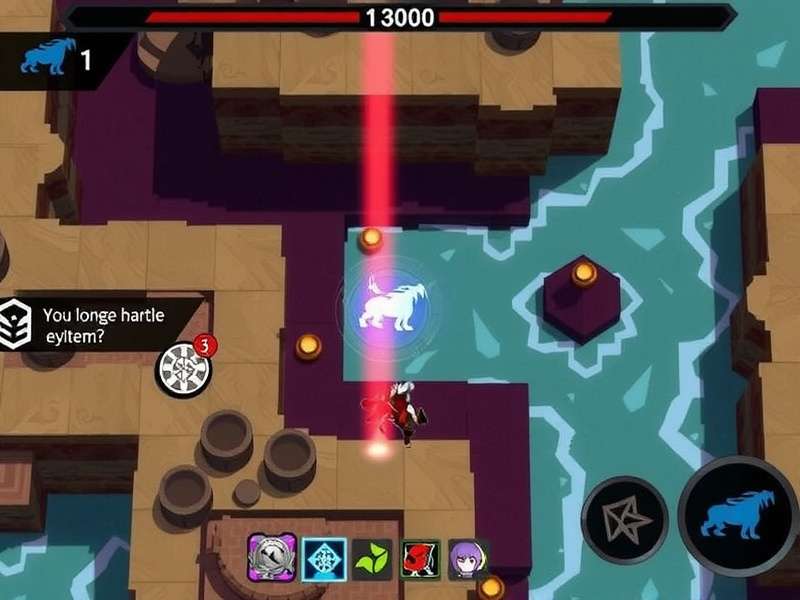
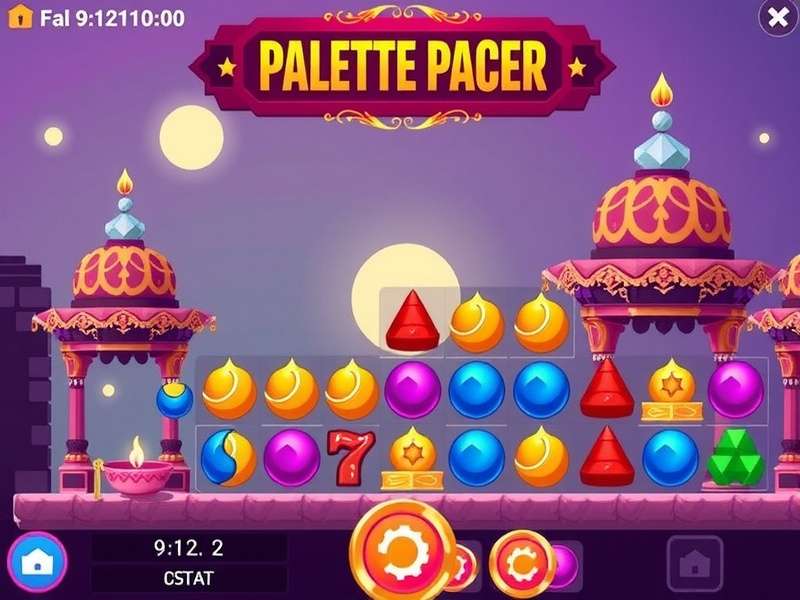
At its heart, Paint Pathfinders is a pathfinding puzzle game with a creative twist: instead of moving characters directly, players paint paths for them to follow using a virtual brush and a palette of coloured inks. Each level presents a unique challenge—from avoiding obstacles like quicksand and rivers to collecting items like laddoos (power-ups) and rangoli stencils (collectibles)—and players must use their painting skills to guide their character to the finish line.
The gameplay is intuitive enough for casual players: simply drag your finger (on mobile) or use a mouse (on PC) to draw a path from the character’s starting position to the goal. But as the game progresses, the challenges become more complex, requiring strategic thinking and careful planning. “We wanted the game to be easy to learn but hard to master,” says Kumar. “A 10-year-old should be able to pick it up and have fun, but a 30-year-old puzzle enthusiast should still find it challenging.”
Colour Powers: The Desi Difference
What makes Paint Pathfinders’ gameplay truly unique is its colour-based mechanics. Each colour in the game’s palette has a specific ability, inspired by Indian traditions and natural elements:
- Red (Laal): Represents energy and passion (inspired by Holi). Paths painted red boost the character’s speed, allowing them to outrun moving obstacles like bullock carts or festival processions.
- Blue (Neela): Symbolizes water and calm (inspired by the Ganges). Blue paths let characters traverse bodies of water, from the backwaters of Kerala to the canals of Udaipur.
- Green (Hara): Stands for nature and growth (inspired by Pongal). Green paths allow characters to climb over vegetation, like the mango trees of Uttar Pradesh or the coconut palms of Tamil Nadu.
- Yellow (Peela): Signifies joy and celebration (inspired by Diwali). Yellow paths illuminate dark areas, revealing hidden collectibles and avoiding traps like dark alleys or cave systems.
- Purple (Baingani): Represents mystery and magic (inspired by tantric art). Purple paths can phase through walls, helping characters bypass locked gates or narrow passages.
Players start with access to only red and blue inks, unlocking additional colours as they progress through the game. Each level limits the amount of ink available, forcing players to use their colours strategically. “It’s all about resource management,” explains Mehta. “Do you use red ink to speed through a level, or save it for a tricky obstacle later? Do you waste blue ink on a small puddle, or save it for the river at the end? These choices make every playthrough feel unique.”
Modes of Play
Paint Pathfinders offers three main modes to cater to different player preferences:
Story Mode
The game’s primary mode, Story Mode, follows the journey of four desi characters as they travel across India to restore the “Rangoli of Unity”—a mythical artwork that once brought peace and prosperity to the country, but was shattered by a mysterious force. Each character has their own motivation for joining the quest: Riya wants to honor her grandmother’s rangoli legacy, Arjun seeks to prove himself to his street-smart friends, Meera aims to reconnect with her childhood memories, and Raj hopes to blend his digital skills with traditional art.
Story Mode consists of 100 levels spread across 5 worlds, each inspired by a different region of India. As players progress, they unlock cutscenes that reveal more about the characters’ backstories and the mystery of the shattered Rangoli. “We wanted the story to feel personal and relatable,” Kumar says. “Each character’s journey mirrors the experiences of many Indians—whether it’s preserving tradition, embracing modernity, or finding one’s place in the world.”
Quick Play
For players who don’t have time for a full story chapter, Quick Play offers randomly generated levels tailored to their skill level. This mode is perfect for short gaming sessions—whether you’re waiting for a bus, sitting in a dhaba, or taking a break from work. “Indians are always on the go, so we wanted a mode that fits into their busy lifestyles,” Mehta says. “Quick Play lets you jump in, play a level, and jump out—no strings attached.”
Multiplayer Mode
Launched in a 2023 update, Multiplayer Mode allows up to 4 players to team up (or compete) in real time. In Co-op Mode, players work together to paint paths for each other’s characters, combining their colour powers to overcome challenging levels. In Versus Mode, players race to the finish line, using special “ink bombs” to slow down their opponents (e.g., a black ink bomb that temporarily blocks an opponent’s path). “Multiplayer adds a social element to the game,” Patel says. “It’s perfect for playing with friends and family—whether you’re sitting together at home or connecting online from different cities.”
Characters
One of Paint Pathfinders’ greatest strengths is its cast of relatable, culturally diverse characters—each hailing from a different region of India, with unique personalities, backstories, and abilities. The team at Desi Indie Studios spent months researching different Indian cultures and lifestyles to ensure each character felt authentic and representative. “We didn’t want stereotypes,” Mehta says. “We wanted characters that Indians could see themselves in—characters with hopes, fears, and dreams that resonate with real people.”
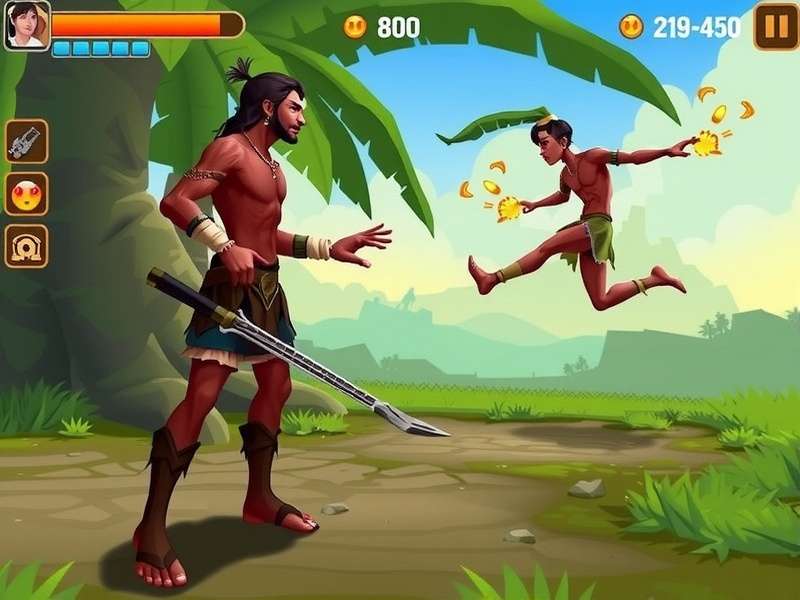
A 19-year-old art student from Jaipur, Riya grew up watching her grandmother create intricate rangoli designs for every festival. Her grandmother’s dying wish was for Riya to “carry the colours of Rajasthan to every corner of India,” inspiring her to join the quest to restore the Rangoli of Unity.
Ability: Riya’s rangoli expertise lets her paint paths that double as collectible magnets—drawing laddoos and stencils towards her character. This ability is especially useful in levels with hard-to-reach collectibles.
Personality: Kind-hearted, creative, and a little bit shy. Riya often speaks in a gentle Rajasthani accent and references Jaipur’s palaces and festivals in her dialogue.

A 22-year-old street artist from Mumbai’s Dharavi slum, Arjun uses spray paint to create murals that tell stories of his community. Tired of being dismissed as “just a gully boy,” he joins the quest to prove that street art—like all Indian art—deserves respect and recognition.
Ability: Arjun’s spray paint skills let him create wider paths that can accommodate multiple characters (perfect for multiplayer) and withstand obstacles like rain or wind.
Personality: Confident, witty, and fiercely loyal. Arjun speaks in a Mumbaiya Hindi accent, with phrases like “yaar” and “bhai” peppered throughout his dialogue. He’s always ready with a joke to lighten the mood.

A 65-year-old retired teacher from Varanasi, Meera spent decades teaching children about Indian mythology and art. After losing her husband, she felt lost—until she heard about the shattered Rangoli of Unity. She believes restoring it will bring her the peace she’s been searching for.
Ability: Meera’s knowledge of mythology lets her paint paths that grant temporary invincibility, protecting her character from traps like fire or spikes. This ability is a lifesaver in later, more difficult levels.
Personality: Wise, patient, and full of stories. Meera speaks in a gentle Uttar Pradesh accent and often shares anecdotes about Varanasi’s ghats and temples. She’s like a grandmother to the other characters.
A 20-year-old tech enthusiast from Bengaluru, Raj is a self-taught coder who loves blending technology with traditional art. He created a mobile app that lets users design digital rangoli— but he dreams of something bigger. Joining the quest gives him a chance to prove that tradition and modernity can coexist.
Ability: Raj’s tech skills let him paint paths that can be edited mid-game. If you make a mistake, you can “undo” part of the path without wasting ink—a game-changer for strategic players.
Personality: Curious, optimistic, and a little bit geeky. Raj speaks in a mix of English and Kannada, with phrases like “dude” and “super cool” alongside Kannada greetings. He’s always experimenting with new ways to use his abilities.
Unlockable Characters
In addition to the four main characters, Paint Pathfinders offers several unlockable characters, each with their own unique abilities and backstories. These characters are unlocked by completing special challenges or participating in seasonal events:
- Amir Khan (Srinagar, Jammu and Kashmir): A 25-year-old shikara operator with the ability to paint paths on water. Unlocked by completing the “Kashmir Valley” bonus level.
- Lakshmi Nair (Kochi, Kerala): A 23-year-old Kathakali dancer with the ability to paint paths that confuse enemies. Unlocked during the Onam festival event.
- Manoj Singh (Patna, Bihar): A 28-year-old Madhubani artist with the ability to paint paths that reveal hidden levels. Unlocked by collecting all rangoli stencils in Story Mode.
Level Design
Paint Pathfinders’ levels are a love letter to India, with each world inspired by a different region’s geography, culture, and landmarks. The team at Desi Indie Studios traveled across India to research locations, taking thousands of photos and interviewing locals to ensure authenticity. “We didn’t just want to copy-paste Indian landmarks into the game,” Mehta says. “We wanted to capture the essence of each region—the colours, the sounds, the feel of the place. When you play the Kerala level, we want you to smell the coconut trees and hear the backwaters lapping against the boats.”
World 1: Royal Rajasthan (North India)
Inspired by Rajasthan’s desert landscapes, palaces, and forts, Royal Rajasthan is the game’s first world—designed to introduce players to the core mechanics. Levels feature iconic Rajasthani elements like sand dunes, camel caravans, havelis, and the famous Hawa Mahal. The colour palette is warm and earthy, with shades of orange, yellow, and brown dominating the visuals.
Key levels include:
- Hawa Mahal Maze: A labyrinthine level set inside Jaipur’s Hawa Mahal, where players must paint paths through hundreds of windows to reach the top.
- Thar Desert Trek: A long-distance level where players must use red ink to outrun sandstorms and blue ink to cross oases.
- Udaipur Lake Palace: A water-based level set on Lake Pichola, where players must navigate around boats and lotus flowers to reach the Lake Palace.
Boss Fight: The “Raja of the Desert”—a giant sand statue that throws sandballs at players. To defeat him, players must paint paths that redirect the sandballs back at him, shattering his armor.
World 2: Tropical Kerala (South India)
Set in Kerala’s lush backwaters, rainforests, and beaches, Tropical Kerala is a vibrant, green world that introduces players to the green ink ability. Levels feature coconut palms, houseboats, tea plantations, and traditional Kerala villages. The background music uses instruments like the chenda and nadaswaram, creating a calming, tropical atmosphere.
Key levels include:
- Backwater Cruise: A level where players must paint paths across houseboats and lily pads to navigate the backwaters.
- Munnar Tea Plantation: A hilly level where players use green ink to climb tea bushes and avoid falling leaves.
- Kovalam Beach: A coastal level where players must paint paths along the shore, avoiding waves and crabs.
Boss Fight: The “Goddess of the Backwaters”—a water spirit that creates tidal waves. Players must use blue ink to create safe paths on the water and green ink to climb trees to avoid the waves.
World 3: Holy Varanasi (East India)
Inspired by Varanasi’s ghats, temples, and narrow alleys, Holy Varanasi is a mystical world that introduces players to the yellow ink ability. Levels feature burning ghats, riverboats, temple spires, and street markets. The visuals are a mix of warm golds and deep blues, with lanterns and candles illuminating dark areas.
Key levels include:
- Ganga Ghat Pilgrimage: A level where players must paint paths along the ghats, avoiding pilgrims and boats.
- Alley of Temples: A dark, maze-like level where players use yellow ink to illuminate paths and avoid hidden traps.
- Varanasi Night Festival: A festive level set during Diwali, where players must paint paths around fireworks and lanterns.
Boss Fight: The “Spirit of the Ganges”—a ghostly figure that haunts the ghats. Players must use yellow ink to reveal her true form and purple ink to phase through her attacks.
World 4: Coastal Gujarat (West India)
Set in Gujarat’s coastal towns, desert villages, and festival grounds, Coastal Gujarat is a lively world that introduces players to the purple ink ability. Levels feature Rann of Kutch salt flats, Dandi beaches, and traditional Gujarati havelis. The background music is upbeat, with garba and dandiya rhythms dominating the soundscape.
Key levels include:
- Rann of Kutch Salt Trek: A vast, white level where players use purple ink to phase through salt pillars and avoid the scorching sun.
- Garba Festival: A festive level set during Navratri, where players must paint paths around garba dancers and avoid falling dandiya sticks.
- Dandi Beach: A coastal level where players use blue ink to cross the sea and purple ink to phase through rocks.
Boss Fight: The “Garba King”—a giant dancer who creates shockwaves with his dandiya sticks. Players must use purple ink to phase through his attacks and red ink to outrun his dance moves.
World 5: Central India Forests (Central India)
Inspired by Madhya Pradesh’s national parks, forts, and tribal villages, Central India Forests is the game’s final world—featuring the most challenging levels. Levels include Kanha National Park, Khajuraho temples, and tribal villages. The colour palette is rich and diverse, with deep greens, browns, and golds.
Key levels include:
- Kanha National Park Safari: A level where players must paint paths through the jungle, avoiding tigers and elephants.
- Khajuraho Temple Maze: A complex level set inside the Khajuraho temples, where players must use all five ink colours to solve puzzles.
- Tribal Village Celebration: A festive level set during a tribal festival, where players must paint paths around bonfires and traditional dances.
Boss Fight: The “Dark Shadow”—the mysterious force that shattered the Rangoli of Unity. This multi-phase fight requires players to use all five ink colours and coordinate their abilities (if playing in multiplayer) to defeat the shadow and restore the rangoli.

Cultural Integration
What truly sets Paint Pathfinders apart from other puzzle games is its deep, authentic integration of Indian culture. Every aspect of the game—from the visuals to the sound design, from the characters to the level themes—pays homage to India’s rich heritage. The team at Desi Indie Studios worked tirelessly to ensure that the game’s cultural elements were not just window dressing, but core to the gameplay and story.
Festival Celebrations
Indian festivals are a central part of Paint Pathfinders, with seasonal updates that transform the game’s levels to reflect major festivals. These updates include new levels, costumes, power-ups, and events, giving players a reason to return to the game throughout the year.
- Holi Update: Released annually in March, the Holi update adds levels where players paint paths using vibrant Holi colours. Characters wear traditional Holi clothes (like white kurtas and goggles), and power-ups include “gulal bombs” that clear obstacles. The background music features upbeat Holi songs, and levels are decorated with pichkaris and water balloons.
- Diwali Update: Launched in October/November, the Diwali update transforms levels into illuminated wonderlands. Players use yellow ink to light diyas and lanterns, and power-ups include “firecracker bursts” that reveal hidden paths. Characters wear new clothes (like sherwanis and salwar kameez), and the background music features traditional Diwali bhajans.
- Navratri Update: Released in September/October, the Navratri update adds garba-themed levels where players paint paths around dancers. Power-ups include “dandiya sticks” that break through walls, and characters wear traditional Navratri attire (like chaniya cholis and kedias). The background music features garba and dandiya beats, and levels are decorated with torans and rangolis.
- Pongal Update: Launched in January, the Pongal update celebrates Tamil Nadu’s harvest festival. Levels are set in villages, with players using green ink to climb sugarcane plants and collect pongal pots. Power-ups include “sugarcane juice” that boosts speed, and characters wear traditional Tamil clothes (like veshtis and sarees). The background music features folk songs, and levels are decorated with kolams (Tamil rangolis).
Art Forms and Crafts
Paint Pathfinders incorporates several traditional Indian art forms into its visuals and gameplay, helping to preserve and promote these cultural treasures. “We wanted to introduce younger players to art forms they might not be familiar with,” Mehta says. “Many kids today have never seen a madhubani painting or a warli design—we wanted to make these art forms cool and accessible.”
- Rangoli: The game’s core mechanic is based on rangoli, with players painting colourful paths that resemble traditional rangoli designs. Collectible rangoli stencils, unlocked throughout the game, feature designs from different regions (e.g., Kolam from Tamil Nadu, Alpana from Bengal).
- Madhubani: Backgrounds in the Central India levels feature madhubani paintings, with intricate designs of gods, goddesses, and nature. The game’s loading screens also showcase madhubani art, with facts about the art form displayed alongside.
- Warli: The Coastal Gujarat levels feature warli art, with simple, stick-figure designs of humans, animals, and daily life. These designs are incorporated into level obstacles—for example, warli-style animals that block paths until players solve a puzzle.
- Kalamkari: Character costumes and level decorations feature kalamkari prints, with hand-painted designs inspired by Andhra Pradesh’s traditional art form. The game’s unlockable costumes often include kalamkari patterns, allowing players to customize their characters with cultural flair.
Regional Languages and Music
To make the game accessible to players across India, Paint Pathfinders supports 12 regional languages, including Hindi, Tamil, Telugu, Bengali, Kannada, Malayalam, Gujarati, Marathi, Punjabi, Oriya, Assamese, and Urdu. Each character speaks in their native language (with subtitles available), and the game’s dialogue is filled with regional phrases and idioms.
The game’s soundtrack is a celebration of Indian music, with each world featuring traditional instruments and genres from its region. The Royal Rajasthan levels use the sarangi and dholak, the Tropical Kerala levels feature the chenda and nadaswaram, the Holy Varanasi levels use the sitar and tabla, the Coastal Gujarat levels feature the dandiya and garba beats, and the Central India levels use the flute and madal. The soundtrack was composed by renowned Indian musician A.R. Rahman’s protégé, Anirudh Sharma, who worked closely with the team to ensure authenticity.

Reception and Critical Acclaim
Since its launch in 2022, Paint Pathfinders has received widespread acclaim from critics and players alike, becoming one of the most downloaded Indian mobile games of all time. The game has amassed over 50 million downloads across Android and iOS, with a 4.8-star rating on the Google Play Store and a 4.7-star rating on the App Store—rarely seen scores for a mobile game.
Critical Reviews
Critics have praised the game for its cultural authenticity, innovative gameplay, and stunning visuals. Indian gaming site Gaming India called it “a breath of fresh air in the mobile gaming space, blending desi culture with engaging gameplay that appeals to players of all ages.” Tech Raja wrote, “Paint Pathfinders is more than just a game—it’s a love letter to India. Every level, every character, every sound feels authentic, making it a must-play for anyone who wants to experience the best of Indian gaming.”
International critics have also taken notice. TouchArcade, a leading mobile gaming website, praised the game’s “unique concept and vibrant visuals,” calling it “one of the most creative puzzle games we’ve played in years.” Pocket Gamer noted that “Paint Pathfinders does an excellent job of introducing global players to Indian culture, without feeling like a lesson. It’s fun, accessible, and endlessly charming.”
Awards and Recognition
Paint Pathfinders has won numerous awards for its innovation, cultural integration, and design:
- Best Indie Game at the 2023 Indian Gaming Awards
- Best Cultural Integration at the 2023 Global Mobile Gaming Awards
- Best Mobile Game Design at the 2023 Asian Game Awards
- People’s Choice Award at the 2023 Game Developers Conference India
- Nominated for Best Mobile Game at the 2023 The Game Awards (the first Indian game to receive this nomination)
Player Feedback
Player feedback has been overwhelmingly positive, with many praising the game’s cultural relevance and accessibility. “As someone who grew up in Jaipur, seeing Hawa Mahal in a game made me so proud,” wrote one player on the Google Play Store. “The characters feel like people I know, and the gameplay is so addictive—I can’t stop playing!” Another player commented, “Finally, a game that doesn’t make me feel like an outsider. The regional languages, the festivals, the art—everything feels so Indian. Thank you, Desi Indie Studios!”
Parents have also praised the game for its educational value, noting that it teaches children about Indian culture, art, and geography in a fun, engaging way. “My 8-year-old daughter loves playing Paint Pathfinders,” wrote a parent. “She’s learned about Holi, Diwali, and different Indian art forms without even realizing it. It’s a great alternative to mindless mobile games.”
Impact on the Indian Gaming Industry
Paint Pathfinders has had a significant impact on the Indian gaming industry, inspiring other indie studios to create games with authentic desi themes. “Before Paint Pathfinders, many studios were hesitant to focus on Indian culture, fearing it wouldn’t sell,” says Patel. “Now, we’re seeing a wave of desi games—from cricket simulators to mythology-based adventures—proving that there’s a huge market for authentic Indian content.”
The game has also helped to put Indian indie gaming on the global map, showing that small studios from India can create world-class games that compete with international titles. “Paint Pathfinders has opened doors for other Indian indie developers,” Kumar says. “We’re now seeing more Indian games being featured on global platforms like Steam and the App Store, and that’s thanks to the success of our game.”
Post-Launch Updates
Desi Indie Studios and Daman Games have been committed to supporting Paint Pathfinders with regular updates, adding new content, features, and improvements to keep players engaged. Since launch, the game has received 12 major updates, each introducing new levels, characters, modes, and events.
Key Updates
- November 2022 (Diwali Update): Added 10 new Diwali-themed levels, 4 character costumes, and the “Lantern Power-Up” that illuminates dark areas.
- March 2023 (Holi Update): Introduced 15 Holi-themed levels, the “Gulal Bomb” power-up, and multiplayer Co-op Mode.
- June 2023 (Summer Update): Added a new world inspired by the Andaman and Nicobar Islands, 3 unlockable characters, and offline mode support.
- September 2023 (Navratri Update): Introduced 12 Navratri-themed levels, the “Dandiya Stick” power-up, and multiplayer Versus Mode.
- December 2023 (Winter Update): Added a new world inspired by Himachal Pradesh’s snow-capped mountains, customizable controls, and colorblind mode.
- March 2024 (2nd Anniversary Update): Introduced a new story chapter, 20 new levels, 5 unlockable characters, and cross-platform sync between mobile and PC.
- June 2024 (Monsoon Update): Added monsoon-themed levels, the “Umbrella Power-Up” that protects paths from rain, and a new character from Assam.
Quality of Life Improvements
In addition to new content, the team has also focused on quality of life improvements based on player feedback. These include:
- Adjustable difficulty levels (Easy, Medium, Hard, Expert)
- Customizable controls (swap left/right buttons, adjust sensitivity)
- Offline mode support (play without an internet connection)
- Colorblind mode (adjust color palettes for players with color vision deficiency)
- Cloud save (sync progress across multiple devices)
- Reduced ad frequency (a common complaint in mobile games)
- Accessibility features (text-to-speech, larger buttons for visually impaired players)
Future Update Plans
The team has announced several upcoming updates for Paint Pathfinders, including:
- A new world inspired by the Northeast Indian states (Arunachal Pradesh, Meghalaya, Nagaland)
- A story expansion focusing on the backstories of the unlockable characters
- A battle royale mode for multiplayer (10 players compete to be the last one standing)
- Virtual reality (VR) support for PC and PlayStation
- Collaborations with Indian brands (e.g., Amul, Tata Tea) for in-game events and rewards
“We’re committed to supporting Paint Pathfinders for years to come,” Kumar says. “Our players are our biggest inspiration, and we want to keep giving them new content and features that keep the game fresh and exciting.”
Community and Esports
Paint Pathfinders has built a vibrant, active community of players from across India and beyond, with over 2 million followers on social media and 500,000 members in the game’s official Discord server. Desi Indie Studios and Daman Games have fostered this community by organizing regular events, contests, and tournaments, giving players a chance